
de escalation techniques for teachers pdf
De-escalation techniques are crucial for educators navigating challenging student behaviors, fostering safe learning environments, and supporting students’ emotional regulation skills.
Trauma-informed approaches, alongside proactive classroom management, empower teachers to respond effectively to crises and prevent escalation, benefiting all students.
Effective strategies involve understanding the acting-out cycle, recognizing early warning signs, and adapting responses based on individual student needs and trauma histories.
Training programs, like those offered by CPI and Peaceful Leaders Academy, equip teachers with practical skills to de-escalate power struggles and ensure student well-being.
The Increasing Need for De-escalation Skills
The demand for de-escalation skills among teachers is escalating rapidly, mirroring a rise in behavioral challenges within school settings. Recent statistics from the Crisis Prevention Institute highlight a growing urgency for educators to be prepared for potentially dangerous situations.
Factors contributing to this need include increased student stress, trauma exposure, and underlying emotional and behavioral disorders. Teachers are increasingly encountering students experiencing dysregulation, requiring immediate and effective intervention.
Proactive de-escalation training isn’t merely about crisis management; it’s about fostering a supportive and understanding classroom climate. Equipping teachers with these skills promotes student safety, reduces disciplinary actions, and ultimately enhances the learning environment for everyone involved.
The ability to identify early warning signs and respond with empathy is paramount in preventing escalation and building positive relationships with students.
Understanding the Context: Trauma-Informed Approach
A trauma-informed approach is fundamental to effective de-escalation. Recognizing that challenging behaviors are often manifestations of past trauma shifts the focus from punishment to understanding and support. Many students enter classrooms carrying the weight of adverse experiences, impacting their emotional regulation and responses to stress.
De-escalation strategies, when delivered through a trauma-informed lens, prioritize safety, trust, and collaboration. This means responding with empathy, validating feelings, and avoiding triggers that could re-traumatize a student.
Teachers must understand that a student’s behavior isn’t necessarily a deliberate attempt to disrupt, but rather a signal of distress. By creating a safe and predictable environment, educators can help students feel secure enough to regulate their emotions and engage in learning.

Understanding Student Behavior
Recognizing behavioral patterns, like the acting-out cycle, and identifying early warning signs are vital for proactive intervention and effective de-escalation strategies.
Understanding root causes—including trauma and emotional needs—allows teachers to respond with empathy and support, fostering positive outcomes.
The Acting-Out Cycle: Recognizing Stages
The Acting-Out Cycle, as described by the Wisconsin Department of Public Instruction, is a crucial framework for understanding escalating student behavior. It highlights how behaviors aren’t random, but follow a predictable pattern.
Initially, there’s a trigger, followed by escalation – a rise in tension and agitation. This progresses to crisis, where the student loses control. After the crisis, a de-escalation phase begins, though students require adult support during this period.
Recognizing these stages allows teachers to intervene proactively. Early intervention during escalation can prevent reaching the crisis stage. Understanding that self-regulation skills take time to develop, especially for students with behavioral needs, is key to providing appropriate support.
Adult responses can either support de-escalation or unintentionally escalate the situation, emphasizing the importance of training and mindful interaction.
Identifying Early Warning Signs of Escalation
Proactive de-escalation hinges on recognizing subtle shifts in student behavior before a crisis erupts. These early warning signs are often non-verbal, indicating increasing distress or frustration.
Teachers should observe for changes in body language – clenched fists, rigid posture, or avoiding eye contact. Increased pacing, fidgeting, or changes in vocal tone (e.g., becoming quieter or more agitated) are also indicators.
Other signs include difficulty focusing, increased irritability, or withdrawal from activities. Students might begin to make negative comments or challenge instructions. Recognizing these cues allows for timely intervention.
Early intervention, even a simple check-in, can disrupt the escalation cycle and provide support before the student reaches a point of losing control.
Understanding the Root Causes of Behavioral Issues
Behavior is communication; challenging behaviors often signal unmet needs or underlying distress. A trauma-informed lens is crucial, recognizing that past experiences can significantly impact a student’s responses.
Root causes can include academic frustration, social-emotional difficulties, or environmental stressors. Students with significant behavioral needs may lack self-regulation skills, requiring adult support.
Consider factors like family dynamics, cultural background, and potential undiagnosed learning disabilities. Understanding these influences allows teachers to move beyond surface-level reactions.
Addressing the root cause, rather than solely focusing on the behavior, is essential for long-term positive change and fostering a supportive learning environment.
Verbal De-escalation Techniques
Employ active listening, empathetic responses, and a calm tone to validate student feelings and promote autonomy, avoiding power struggles and fostering respectful communication.
Active Listening and Empathetic Responses
Active listening is paramount in de-escalation, requiring teachers to fully concentrate, understand, respond, and remember what a student is saying – both verbally and nonverbally.
Demonstrate empathy by acknowledging the student’s feelings, even if you don’t agree with their behavior; phrases like “I can see you’re frustrated” can be incredibly validating.
Reflect back what the student has said to ensure understanding and show you are truly listening. Avoid interrupting or offering solutions prematurely; allow them to fully express themselves.
Empathetic responses help build trust and rapport, creating a safer space for the student to regulate their emotions and de-escalate the situation. This approach is especially vital when working with students who have experienced trauma.
Using a Calm and Respectful Tone
Maintaining a calm tone of voice is foundational to de-escalation, as heightened emotions can be contagious. Speak slowly and clearly, avoiding any accusatory or judgmental language.
Respectful communication demonstrates to the student that you value them, even when addressing challenging behavior. Avoid sarcasm, yelling, or condescending remarks.
Lowering your physical volume can signal safety and reduce the student’s perceived threat level. Match your tone to their emotional state, but always remain grounded and composed.
A respectful approach fosters a sense of dignity and encourages the student to reciprocate with calmer behavior, creating an environment conducive to resolution and self-regulation.
Offering Choices and Promoting Autonomy
Providing limited, acceptable choices empowers students and reduces feelings of being controlled, a common trigger for escalation. Instead of demanding compliance, offer options like, “Would you like to complete this assignment at your desk or in a quiet corner?”
Promoting autonomy acknowledges the student’s agency and fosters a sense of self-respect. This approach shifts the dynamic from a power struggle to a collaborative problem-solving scenario.
Simple choices can give the student a feeling of control, allowing them to regain composure and participate in de-escalation. Avoid open-ended questions that could overwhelm them.
Respecting their decisions, within reasonable boundaries, reinforces their sense of self-determination and builds trust, ultimately supporting a calmer classroom environment.
Validating Feelings and Perspectives
Acknowledging a student’s emotions, even if you don’t agree with their behavior, is a cornerstone of de-escalation. Statements like, “I see you’re really frustrated right now,” demonstrate empathy and understanding.
Validating their perspective doesn’t mean condoning inappropriate actions, but rather recognizing their subjective experience. It communicates respect and creates a safer space for communication.
Avoid dismissing their feelings with phrases like “You shouldn’t feel that way.” Instead, focus on reflecting their emotions back to them to show you are listening.
Trauma-informed de-escalation emphasizes the importance of recognizing that behavior is often a communication of unmet needs or underlying distress.
Avoiding Power Struggles and Confrontation
Direct confrontation often escalates situations, particularly with students already experiencing emotional distress. Instead, prioritize de-escalation by shifting the focus from control to collaboration.
Refrain from issuing direct challenges or ultimatums, as these can trigger defensive reactions. A calm, non-threatening approach is far more effective.
Recognize that a student’s behavior may be a bid for attention or control. Responding with empathy and offering choices can redirect their focus.
Teachers are “the boss” in the classroom, but effective leadership involves knowing when to step back and allow students a degree of autonomy, preventing escalation.
Non-Verbal De-escalation Techniques
Body language, physical space, and calming cues significantly impact de-escalation. Maintain a relaxed posture, respect personal boundaries, and create a safe environment.
Maintaining Appropriate Body Language
Non-verbal communication is paramount during de-escalation. Teachers should adopt a relaxed and open posture, avoiding crossed arms or clenched fists which can signal defensiveness or aggression.
Eye contact should be moderate and non-threatening; prolonged staring can be perceived as challenging. Maintain a calm facial expression, and mirror the student’s emotional state subtly to build rapport.
Personal space is crucial – avoid invading the student’s comfort zone. Slow, deliberate movements convey calmness, while quick gestures can escalate tension.
Be mindful of your overall demeanor, projecting an attitude of empathy and respect. Your body language should communicate safety and a willingness to help, fostering trust and reducing anxiety.
Creating a Safe Physical Space
A calm environment is foundational for de-escalation. Remove potential hazards or distractions that could exacerbate the student’s distress. If possible, move the student to a quieter, less stimulating area of the classroom or a designated “safe space”.
Minimize visual clutter and ensure adequate lighting. Consider the arrangement of furniture to avoid creating barriers or feeling cornered. Offer the student a comfortable seating option, if appropriate.
Respect the student’s need for personal space and avoid crowding them. A predictable and organized environment can promote a sense of security and control, aiding in de-escalation efforts.
Prioritize safety for both the student and yourself, ensuring clear pathways for movement and access to assistance if needed.
Respecting Personal Space
Maintaining appropriate distance is paramount during de-escalation. Invading a student’s personal space can heighten anxiety and escalate the situation. Be mindful of cultural differences regarding personal space expectations.
Avoid sudden movements or approaching the student directly. Instead, position yourself at an angle, demonstrating a non-threatening posture. Allow the student to maintain control over their immediate surroundings.
Observe the student’s body language for cues indicating discomfort or distress. If they move away, respect their need for space and refrain from pursuing them.
Communicate verbally that you are respecting their boundaries, assuring them you are there to help, not to control.
Using Calming Visual Cues
Visual cues can offer a non-verbal pathway to de-escalation, particularly for students struggling to process verbal communication during heightened emotional states. Consider incorporating calming imagery into the classroom environment.
Designated “calm down” areas equipped with soft lighting, comfortable seating, and soothing visuals – like nature scenes or abstract art – can provide a safe retreat.
Simple hand signals, pre-agreed upon with students, can communicate needs for space, a break, or assistance without requiring verbalization.
Color-coded systems indicating emotional levels can help students self-regulate and communicate their feelings effectively.

Practical Strategies for the Classroom
Classroom management plans, clear expectations, preventative measures, and positive reinforcement are essential for fostering a safe and supportive learning environment for all students.
Developing a Classroom Management Plan
A well-defined classroom management plan is foundational for preventing escalation and promoting a positive learning environment. This plan should explicitly outline clear expectations and boundaries, communicated consistently to students.
Proactive strategies, such as establishing routines and incorporating calming activities, can minimize disruptive behaviors. The plan must also detail procedures for responding to escalating situations, emphasizing de-escalation techniques over punitive measures.
Consider incorporating preventative measures like providing choices and opportunities for student autonomy. Regularly review and revise the plan based on student needs and classroom dynamics, ensuring it remains effective and supportive. A consistent, predictable environment reduces anxiety and supports self-regulation.
Establishing Clear Expectations and Boundaries
Clearly defined expectations and boundaries are paramount for a well-managed classroom and crucial for preventing behavioral escalations. These should be established collaboratively with students, fostering a sense of ownership and understanding.
Expectations should be stated positively and specifically, outlining desired behaviors rather than focusing on what not to do. Consistent enforcement of these boundaries is vital, delivered with a calm and respectful tone.
Predictability reduces anxiety and supports student self-regulation. Regularly revisit and reinforce expectations, ensuring all students comprehend them. A structured environment minimizes opportunities for misbehavior and promotes a sense of safety.
Implementing Preventative Measures
Proactive strategies are essential for minimizing disruptive behaviors before they escalate. This includes building positive relationships with students, demonstrating genuine care and understanding. Regularly check in with students, particularly those with identified needs, to gauge their emotional state.
Incorporate calming activities into the daily routine, such as mindfulness exercises or brief movement breaks. Modify the learning environment to reduce potential triggers, considering sensory sensitivities and seating arrangements.
Utilize pre-correction – reminding students of expectations before transitions or potentially challenging activities. A preventative approach fosters a positive classroom climate and reduces the need for reactive de-escalation.
Utilizing Positive Reinforcement
Positive reinforcement is a powerful tool for encouraging desired behaviors and preventing escalation. Focus on acknowledging and praising students when they demonstrate self-control, follow expectations, or make positive choices. Specific praise is more effective than general statements.
Implement a reward system, tailored to student preferences, that recognizes effort and progress. This could include verbal praise, small tokens, or extra privileges. Consistency is key to establishing a clear connection between behavior and reward.
Shift the focus from negative behaviors to positive ones, creating a supportive classroom environment where students feel valued and motivated to succeed. This proactive approach builds resilience and reduces the likelihood of disruptive outbursts.
De-escalation and Students with Specific Needs
Adapting de-escalation requires understanding unique student needs, including trauma, emotional/behavioral disorders, and autism, to provide individualized support and effective interventions.
Adapting Techniques for Students with Trauma
For students with trauma histories, de-escalation necessitates a particularly sensitive and informed approach. Recognizing that behavioral outbursts often stem from triggered emotional flashbacks is paramount. Prioritize safety and predictability, minimizing potential re-traumatization through calm, consistent responses.
Avoid power struggles and instead focus on validating feelings, offering choices when possible, and maintaining a non-threatening demeanor. Employ active listening, demonstrating empathy and understanding without judgment. Remember that a trauma-informed lens emphasizes building trust and fostering a sense of control for the student, recognizing their behavior as a communication of unmet needs rather than defiance.
Be mindful of sensory sensitivities and create a calming physical space. Understanding the brain science behind de-escalation, as highlighted by Teaching Channel, is crucial for effective support.
Strategies for Students with Emotional and Behavioral Disorders

Students with EBD often require highly individualized de-escalation strategies. Consistency and predictability are key, alongside a proactive classroom management plan with clearly defined expectations. Utilize positive reinforcement to encourage desired behaviors and minimize triggers for escalation.
Focus on skill-building, teaching self-monitoring and regulation techniques. Adult support is essential, as noted by the Wisconsin Department of Public Instruction, as students need time to develop these skills. Employ pre-arranged signals for requesting breaks or assistance, promoting autonomy and reducing frustration.
Collaborate with specialists – counselors and administrators – to tailor interventions and ensure a cohesive support system. Remember to document behavioral patterns and effective strategies for future reference.
Supporting Students with Autism Spectrum Disorder
Students with ASD may experience heightened sensory sensitivities and difficulty interpreting social cues, leading to escalated behaviors. Prioritize clear, concise communication, avoiding ambiguous language or sarcasm. Visual supports, like schedules and social stories, can reduce anxiety and promote predictability.
Minimize sensory overload by creating a calm, organized physical space. Allow for movement breaks and access to sensory tools as needed. Respect personal space and avoid sudden physical contact. Understand that challenging behaviors may be a form of communication, signaling distress or unmet needs.
Focus on proactive strategies and positive reinforcement. Collaboration with special education staff is crucial for developing individualized de-escalation plans.
Seeking Support and Collaboration
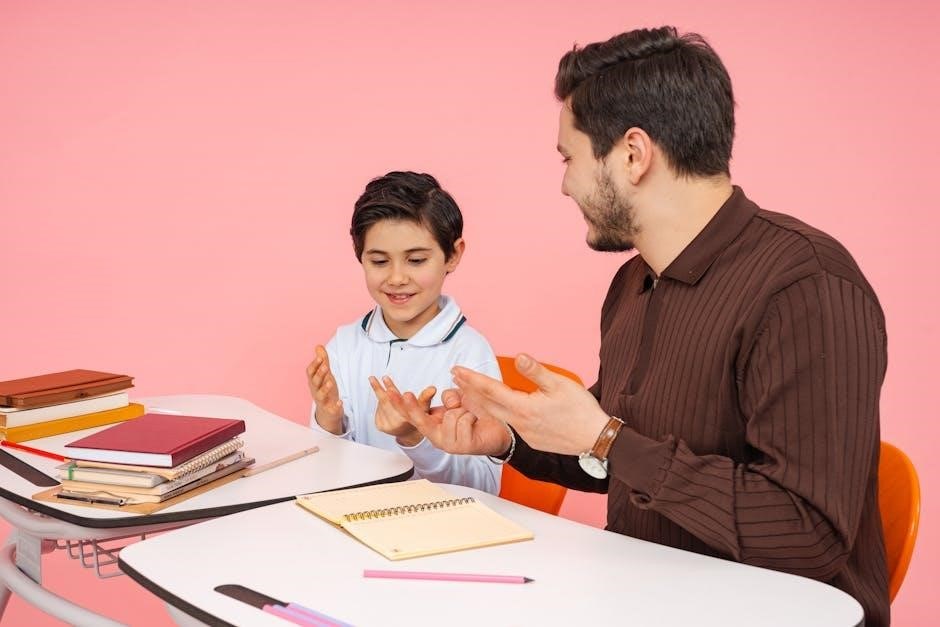
Effective de-escalation relies on teamwork; school counselors, administrators, and parents are vital partners in supporting student well-being and safety.
Professional development and ongoing training enhance teacher skills, fostering a collaborative approach to managing challenging behaviors effectively.
The Role of School Counselors and Administrators
School counselors provide invaluable support by offering individual and group counseling to students struggling with emotional regulation and behavioral challenges. They can assess underlying issues contributing to escalation and develop tailored intervention plans.
Administrators play a critical role in establishing school-wide policies and procedures that prioritize de-escalation and restorative practices. Their support is essential for creating a safe and supportive school climate.
Collaboration between teachers, counselors, and administrators ensures consistent responses to behavioral incidents and facilitates a coordinated approach to student support. Administrators can also advocate for professional development opportunities focused on de-escalation techniques for all staff.
Furthermore, counselors can provide crisis intervention support during escalated situations, offering guidance to teachers and ensuring student safety.
Collaborating with Parents and Guardians
Open communication with parents and guardians is paramount in supporting student well-being and implementing effective de-escalation strategies. Sharing insights into classroom behaviors and interventions fosters a collaborative partnership.
Regular updates regarding a student’s progress, both positive and challenging, build trust and ensure consistency between home and school. Parents can offer valuable perspectives on triggers and effective calming techniques.
Joint problem-solving allows for the development of individualized behavior plans that address the student’s needs across all environments. This collaborative approach strengthens the support system surrounding the student.
Sharing resources, such as information on trauma-informed care or local mental health services, empowers parents to support their child’s emotional regulation at home.
Professional Development and Training Opportunities
Ongoing training is essential for teachers to refine their de-escalation skills and stay current with best practices. Workshops and courses provide opportunities to learn new techniques and address emerging challenges.
Organizations like the Crisis Prevention Institute (CPI) offer comprehensive programs focused on safe crisis management and de-escalation strategies. Peaceful Leaders Academy provides specialized training for educators.
School districts should prioritize professional development that emphasizes trauma-informed care and positive behavior interventions. This investment equips teachers with the tools to support all students.
Continuing education ensures teachers are prepared to handle difficult situations effectively, promoting a safe and supportive learning environment for everyone involved.

Resources and Further Learning
CPI, Wisconsin DPI, and Peaceful Leaders Academy offer valuable resources, guidelines, and programs for teachers seeking to enhance de-escalation expertise.
Online materials and training opportunities provide accessible learning options for educators to improve their skills and support student well-being.
Crisis Prevention Institute (CPI) Resources
The Crisis Prevention Institute (CPI) stands as a leading organization in providing comprehensive de-escalation training and resources for educators and professionals working in various settings.
CPI’s programs focus on understanding the dynamics of crisis situations, recognizing early warning signs of escalation, and utilizing verbal and non-verbal techniques to safely de-escalate potentially volatile interactions.
Their training modules cover essential topics such as risk assessment, crisis communication, and collaborative problem-solving, equipping teachers with practical skills to manage challenging behaviors effectively.
CPI offers a range of resources, including online courses, workshops, and certification programs, designed to empower educators to create safer and more supportive learning environments for all students.
Accessing CPI’s materials can significantly enhance a teacher’s ability to respond to crises with confidence and compassion, ultimately promoting positive outcomes for both students and staff.
Wisconsin Department of Public Instruction Guidelines
The Wisconsin Department of Public Instruction (DPI) emphasizes the importance of proactive and preventative approaches to managing challenging student behaviors, advocating for adult support during de-escalation.
DPI resources highlight that students, particularly those with significant behavioral needs, require time to develop self-monitoring and regulation skills, necessitating patient adult guidance.
Their guidelines focus on understanding the “Acting-Out Cycle,” providing educators with a framework for recognizing stages of escalation and responding appropriately to support student needs.
DPI promotes strategies that support de-escalation while cautioning against responses that unintentionally escalate behaviors, emphasizing the need for consistent and supportive interventions.
These guidelines are valuable for Wisconsin educators seeking to implement effective de-escalation techniques and create positive, safe, and inclusive learning environments for all students.
Peaceful Leaders Academy Programs
Peaceful Leaders Academy offers comprehensive online de-escalation training specifically designed for teachers, addressing the increasing need for effective crisis intervention skills in schools.
Their programs emphasize understanding students’ feelings and adapting teacher behaviors accordingly, recognizing that de-escalation often involves navigating power struggles.
The curriculum covers identifying early warning signs of conflict and implementing practical techniques to prevent escalation, fostering a safer classroom environment for both students and staff.
These programs acknowledge the teacher’s role as a leader in the classroom, equipping them with the tools to manage challenging situations with confidence and compassion.
Peaceful Leaders Academy provides valuable resources for educators seeking to enhance their de-escalation skills and promote positive student behavior.

Legal and Ethical Considerations
School policies on discipline and maintaining student confidentiality are paramount when employing de-escalation techniques, ensuring ethical and legal compliance.
Teachers must adhere to established guidelines while prioritizing student safety and well-being during crisis intervention and behavioral management.
Understanding School Policies on Discipline
Navigating school discipline policies is essential for teachers utilizing de-escalation techniques; a thorough understanding prevents unintended consequences and ensures consistent, fair responses.
Policies often outline acceptable intervention strategies, reporting procedures for behavioral incidents, and the limits of a teacher’s authority during a crisis.
Teachers should be familiar with protocols regarding physical intervention, restraint, and seclusion, adhering strictly to legal and ethical boundaries.
Knowing the specific guidelines for documentation, parental notification, and involvement of administrators is crucial for responsible de-escalation practices.
Consistent application of policies, coupled with trauma-informed de-escalation, fosters a safe and supportive school climate for all students.
Maintaining Student Confidentiality
Protecting student privacy is paramount when employing de-escalation techniques, especially when addressing sensitive behavioral or emotional concerns.
Teachers must adhere to FERPA regulations and school policies regarding the disclosure of student information to colleagues, parents, or external parties.
Discussions about a student’s behavior or trauma history should occur only with those who have a legitimate educational need to know, in a private setting.
Documentation of de-escalation incidents should be factual, objective, and stored securely, limiting access to authorized personnel only.
Respecting confidentiality builds trust with students, encouraging them to seek support and participate in de-escalation efforts without fear of judgment.