

honeywell th6110d1005 installation manual
Honeywell TH6110D1005 Installation Manual: A Comprehensive Guide
Welcome! This guide provides detailed instructions for installing and configuring your new Honeywell TH6110D1005 thermostat, ensuring years of reliable and efficient climate control․
Congratulations on selecting the Honeywell TH6110D1005 programmable thermostat! This user-friendly device is designed to provide precise temperature control and enhance energy efficiency within your home․ It’s a battery-powered, push-button operated thermostat suitable for various heating and cooling systems․
This manual serves as a comprehensive guide, walking you through the entire installation process, from initial safety precautions to advanced configuration options․ Whether you’re a seasoned DIY enthusiast or a first-time installer, these instructions will ensure a smooth and successful setup․ The TH6110D1005 offers convenient features like programmable schedules, temperature limits, and a filter change reminder․
Before beginning, carefully review all safety warnings and verify that the package contains all listed components․ Proper installation and configuration are crucial for optimal performance and longevity of your new thermostat․ This guide will help you unlock the full potential of your Honeywell system․
Safety Precautions & Warnings
Important Safety Information: Before commencing installation, always disconnect power to your heating and cooling system at the breaker box to prevent electrical shock or damage to equipment․ Failure to do so could result in serious injury or property loss․ This installation should be performed by a qualified individual if you are unfamiliar with low-voltage electrical systems․
Exercise caution when handling wiring; ensure wires are properly connected and secured to avoid loose connections or short circuits․ Do not install the thermostat in a location exposed to direct sunlight, extreme temperatures, or moisture, as this can affect its accuracy and lifespan․
Read these instructions carefully before installation․ Improper installation can damage the product or create a hazardous condition․ Observe all local and national electrical codes․ Dispose of old batteries responsibly, following local regulations․ Honeywell International Inc․ is not responsible for damages resulting from improper installation or use․
Package Contents Verification
Upon opening the Honeywell TH6110D1005 package, carefully verify that all components are present and undamaged․ Your package should include the following items: one (1) Honeywell TH6110D1005 thermostat unit, one (1) base plate for wall mounting, mounting screws and anchors for secure installation, and a comprehensive installation and user manual – this document!
Inspect each item for any signs of physical damage incurred during shipping․ If any components are missing or appear damaged, do not proceed with the installation․ Contact Honeywell customer support immediately to request replacements․ Retain the original packaging materials for potential return or exchange․
Familiarize yourself with each component before beginning the installation process․ Understanding the purpose of each part will streamline the setup and ensure a successful installation․ Confirm you have the necessary tools (screwdriver, wire strippers, level) before starting․ Proper preparation prevents frustration!

Installation Process
Begin by disconnecting power to your HVAC system․ Carefully remove your old thermostat and identify existing wiring․ Connect wires to the TH6110D1005 base, mount it, and attach the thermostat․
Step 1: Power Disconnection
Crucially, before commencing any installation work on your Honeywell TH6110D1005 thermostat, absolutely disconnect the power supply to your heating and cooling system․ This is a vital safety precaution to prevent electrical shock and potential damage to the thermostat or your HVAC equipment․ Locate the circuit breaker that controls your furnace and air conditioner – it’s typically labeled․
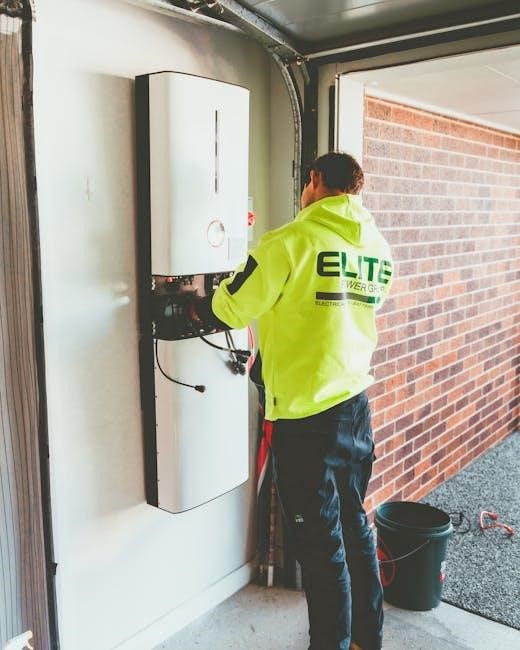
Carefully switch the breaker to the “OFF” position․ To confirm power is completely off, use a non-contact voltage tester on the wires at your existing thermostat․ If the tester doesn’t indicate any voltage, you can proceed with confidence․ Double-checking this step is paramount for your safety․ Ignoring this step could lead to serious injury or equipment malfunction․ Remember, safety first!
Note: Some systems may have a separate power switch located near the furnace or air handler․ If present, switch that off as well․
Step 2: Removing the Old Thermostat
With the power securely disconnected, you can now proceed to remove your existing thermostat․ Gently detach the thermostat cover․ This usually snaps off or is held in place by small screws․ Carefully note the wiring configuration – it’s highly recommended to take a clear photograph of the existing wiring before disconnecting anything․ This photo will serve as a valuable reference during the installation of your new Honeywell TH6110D1005․
Label each wire with the corresponding terminal letter as you disconnect it․ Small pieces of masking tape and a pen work well for this purpose․ Loosen the screws holding the wires to the terminals and carefully pull each wire free․ Once all wires are disconnected, remove the old thermostat base plate from the wall․ You may need to unscrew it or it might simply pull away․
Dispose of the old thermostat responsibly, following local regulations․
Step 3: Identifying Thermostat Wires
Now that the old thermostat is removed, accurately identifying each wire is crucial for a successful installation․ Refer to the photograph you took earlier and the labels you applied․ Common wire designations include R (power), C (common – often blue, and essential for the TH6110D1005), W (heat), Y (cooling), and G (fan)․ However, wiring configurations can vary․
If you encounter a wire labeled ‘B’ or ‘O’, it typically indicates a heat pump system․ A ‘Rh’ wire is power for heating, while ‘Rc’ is power for cooling․ If you have separate Rh and Rc wires, you may need to use a jumper wire – consult the manual for specific instructions․
Carefully compare your wiring to the wiring diagrams provided in this manual․ If you are unsure about any wire, do not proceed․ Contact a qualified HVAC technician for assistance․ Incorrect wiring can damage your system․
Step 4: Wire Connection to the TH6110D1005 Base Plate
With the wires identified, carefully connect them to the corresponding terminals on the TH6110D1005 base plate․ Use a small screwdriver to loosen the terminal screws․ Insert each wire firmly into the correct terminal, ensuring no bare wire is exposed․ Retighten the screws to secure the connections – avoid over-tightening․
Double-check that each wire is connected to the correct terminal based on your earlier identification and the wiring diagram․ The ‘C’ wire is particularly important for consistent power․ If your old thermostat didn’t have a ‘C’ wire, you may need to install one; consult a professional․
Gently tug on each wire to confirm it’s securely fastened․ A loose connection can cause intermittent operation or system failure․ Take a moment to visually inspect all connections for accuracy before proceeding․
Step 5: Mounting the Base Plate
Now, position the TH6110D1005 base plate on the wall where the old thermostat was located․ Use the included mounting screws and wall anchors (if necessary, depending on your wall material) to secure the base plate․ Ensure the base plate is level for a professional appearance and proper thermostat operation․
Carefully align the base plate with the screw holes․ If using wall anchors, drill pilot holes first to prevent damage to the wall․ Gently screw in the mounting screws until the base plate is firmly attached, but avoid over-tightening, which could strip the screw holes․
Verify the base plate is securely mounted and doesn’t wobble․ A stable base is crucial for the thermostat to function correctly and remain in place for years to come․ Double-check for stability before proceeding to the next step․
Step 6: Attaching the Thermostat to the Base Plate
With the base plate securely mounted, carefully align the Honeywell TH6110D1005 thermostat body with the base․ Gently push the thermostat onto the base plate, ensuring it clicks firmly into place․ You should feel and hear a distinct click, confirming a secure connection․
Do not force the thermostat onto the base plate․ If it doesn’t align easily, double-check the wire connections and the base plate’s levelness․ Forcing it could damage the thermostat or the base plate’s connectors․
Once attached, lightly tug on the thermostat to confirm it’s securely fastened․ A loose connection can cause intermittent operation or inaccurate temperature readings․ Proper attachment is vital for reliable performance․ Now your thermostat is physically installed and ready for configuration!
System Configuration & Settings
Customize your Honeywell TH6110D1005! Configure system type, temperature scales, fan modes, schedules, and temperature limits for optimal comfort and energy efficiency․
Setting the System Type (Heat Pump, Forced Air, etc․)
Accurate system type selection is crucial for proper thermostat operation․ The Honeywell TH6110D1005 supports various heating and cooling systems, including heat pumps, forced air (gas, oil, electric), and conventional heating/cooling․ To configure, access the settings menu on your thermostat․
Navigate to the “System Type” option․ You’ll be presented with a list of available system configurations․ Carefully select the option that precisely matches your home’s HVAC setup․ Incorrect selection can lead to inefficient operation, inaccurate temperature control, and potential system damage․
If you have a heat pump, choose the appropriate heat pump setting (with or without auxiliary heat)․ For forced air systems, select the fuel type (gas, oil, or electric)․ Refer to your HVAC system’s documentation if you are unsure about the correct system type․ After selection, the thermostat will adjust its operation accordingly, optimizing performance for your specific system․
Setting the Temperature Scale (Fahrenheit or Celsius)
Personalize your thermostat’s display by selecting your preferred temperature scale: Fahrenheit (°F) or Celsius (°C)․ Access the settings menu on the Honeywell TH6110D1005 using the thermostat’s control buttons․ Navigate to the “Temperature Scale” option, typically found within the system settings or display options․
You will be presented with a choice between Fahrenheit and Celsius․ Select your desired scale using the up and down arrow buttons, or the corresponding on-screen controls․ Confirm your selection by pressing the “Select” or “Enter” button․ The thermostat display will immediately update to reflect the chosen temperature scale․
This setting affects only the display; it does not alter the actual heating or cooling performance of your system․ Changing the scale is a simple customization to enhance user convenience and readability․ Remember this setting for future adjustments, ensuring consistent temperature readings that align with your preference․
Configuring Fan Operation Modes
The Honeywell TH6110D1005 offers several fan operation modes to optimize comfort and energy efficiency․ Access the fan control settings through the thermostat’s menu system, typically found under “System” or “Fan” options․ You can choose between “Auto,” “On,” and potentially “Circulate” modes․
“Auto” mode operates the fan only during heating or cooling cycles, conserving energy․ “On” mode keeps the fan running continuously, providing consistent air circulation and potentially improving temperature distribution․ The “Circulate” mode runs the fan intermittently, even when heating or cooling isn’t active, to maintain even temperatures․
Select your preferred mode using the thermostat’s control buttons and confirm your choice․ Experiment with different settings to determine what best suits your needs and comfort preferences․ Consider “Auto” for energy savings and “On” for consistent airflow․ Properly configured fan operation enhances your overall HVAC system performance․
Programming Temperature Schedules
The Honeywell TH6110D1005 allows for customized temperature schedules, optimizing comfort and reducing energy consumption․ Access the programming function through the thermostat’s menu, usually labeled “Schedule” or “Program․” You can typically set different temperatures for various periods throughout the day – Wake, Leave, Return, and Sleep․
For each period, define the start time and desired temperature․ Consider lower temperatures during sleep or when away from home, and comfortable temperatures for waking and returning․ The thermostat supports different schedules for weekdays and weekends, providing flexibility to match your lifestyle․
Carefully program each period to align with your daily routine․ Utilize the thermostat’s override function for temporary adjustments without disrupting the programmed schedule․ Regularly review and adjust the schedule as needed to maximize energy savings and maintain optimal comfort levels throughout the year․
Adjusting Temperature Limits (Heating & Cooling)
The Honeywell TH6110D1005 features adjustable temperature limits for both heating and cooling modes, preventing excessive energy use and protecting your HVAC system․ These limits define the highest temperature the system will reach during heating and the lowest during cooling․
Access these settings through the thermostat’s menu, often found under “Settings” or “Limits․” Carefully consider your system’s capabilities and your comfort preferences when setting these limits․ Setting excessively high heating limits can strain the heating system, while overly low cooling limits may lead to discomfort․
Adjusting these limits can also prevent unwanted operation during mild weather․ For example, setting a higher cooling limit can prevent the AC from running unnecessarily on a comfortably cool day․ Regularly review these settings to ensure they align with seasonal changes and your energy-saving goals․
Troubleshooting Common Issues
This section addresses frequent problems with your Honeywell TH6110D1005, including power failures, inaccurate readings, unresponsive systems, display errors, and fan malfunctions․
Thermostat Not Powering On
If your Honeywell TH6110D1005 thermostat fails to power on, begin by verifying the battery installation․ Ensure the batteries are fresh and correctly inserted, observing proper polarity (+ and -)․ A common issue is improperly seated batteries, so double-check their connection․
Next, inspect the circuit breaker or fuse controlling the HVAC system․ A tripped breaker or blown fuse will cut power to the thermostat․ Reset the breaker or replace the fuse if necessary․ If the problem persists, examine the wiring connections at both the thermostat and the furnace/air handler․
Loose or disconnected wires can prevent power from reaching the unit․ Carefully tighten all connections․ If you have a C-wire (common wire), confirm it’s securely connected․ Some systems require a C-wire for consistent power․ Finally, consult a qualified HVAC technician if these steps don’t resolve the issue, as there may be a problem within the HVAC system itself․
Incorrect Temperature Readings
If your Honeywell TH6110D1005 displays inaccurate temperature readings, several factors could be at play․ First, ensure the thermostat isn’t directly exposed to sunlight, drafts, or heat-generating appliances․ These external influences can skew the temperature sensor’s accuracy;
Verify the thermostat is level․ An unlevel installation can affect the sensor’s ability to read ambient temperature correctly․ Check the system type setting within the thermostat’s configuration menu․ An incorrect system type (heat pump vs․ forced air) can lead to misinterpretation of temperature data․
If temperature settings don’t change as expected, confirm heating/cooling temperature limits are within acceptable ranges․ Recalibrate the thermostat if the option is available in the settings․ If discrepancies persist, consider the thermostat’s location; it should be in a central, representative area of your home․ If issues continue, professional HVAC assistance may be needed․
System Not Responding to Thermostat Commands
If your Honeywell TH6110D1005 isn’t controlling your heating or cooling system, begin by verifying the system’s power supply at the breaker box․ Ensure the breaker hasn’t tripped․ Double-check all wire connections at both the thermostat base plate and the HVAC equipment․ Loose connections are a common cause of communication failures;
Confirm the thermostat is set to the correct operating mode (Heat, Cool, Auto, Off)․ A misconfigured mode will prevent commands from being sent․ Inspect the batteries, even if the thermostat appears to be powered; low batteries can cause intermittent issues․
Review the system type setting within the thermostat’s menu․ An incorrect setting can disrupt communication․ If the problem persists, consult a qualified HVAC technician to diagnose potential issues with your heating or cooling system itself, as the thermostat may not be the source of the problem․
Display Issues & Error Codes
A blank or dimly lit display on your Honeywell TH6110D1005 often indicates low batteries․ Replace them with fresh alkaline batteries to restore visibility․ If the display functions intermittently, check the wire connections at the base plate and the HVAC system, ensuring they are secure․ A loose connection can cause power fluctuations․
Specific error codes displayed on the screen signal particular problems․ Refer to the complete troubleshooting section of the owner’s manual for a detailed explanation of each code and recommended solutions․ Common codes relate to sensor failures, wiring issues, or communication errors with the HVAC equipment․
If the display shows garbled characters or unusual patterns, attempt a thermostat reset․ If the issue continues, contact Honeywell support for assistance, providing the specific error code for faster diagnosis․ Avoid attempting internal repairs, as this could void the warranty․
Fan Running Constantly
If your Honeywell TH6110D1005 causes the fan to run continuously, first verify the fan setting isn’t set to “ON․” This overrides the programmed schedule and keeps the fan active․ Check the thermostat’s wiring, specifically the ‘G’ wire (fan wire), ensuring it’s securely connected to the correct terminal on both the thermostat base and the HVAC unit․
A faulty relay switch within the furnace or air handler can also cause this issue․ Inspect the HVAC system’s control board for any signs of damage or malfunction․ Incorrect thermostat programming, particularly with advanced fan control settings, can lead to constant fan operation․
If the problem persists after checking these areas, consult a qualified HVAC technician․ They can diagnose potential issues with the furnace control board or other system components․ Do not attempt to repair these components yourself․
Advanced Features & Options
Explore features like filter change reminders, backlight customization, and battery replacement procedures for optimal performance․ Proper recycling ensures responsible disposal of your Honeywell thermostat․
Using the Filter Change Reminder
The Honeywell TH6110D1005 incorporates a helpful filter change reminder function, crucial for maintaining optimal system efficiency and air quality․ This feature doesn’t automatically shut off your system, but proactively alerts you when it’s time for a replacement․ To activate or adjust the reminder settings, navigate through the thermostat’s menu using the control buttons․
Typically, you’ll find the filter reminder option within the ‘Maintenance’ or ‘Settings’ section․ You can then set the reminder based on elapsed time (e․g․, 30, 60, or 90 days) or system runtime hours․ Once the set interval is reached, a visual indicator – often a flashing icon – will appear on the thermostat display․
Regular filter changes prevent dust and debris buildup, improving airflow and reducing strain on your HVAC system․ Ignoring this reminder can lead to decreased efficiency, higher energy bills, and potential system malfunctions․ Refer to your air filter’s packaging for recommended replacement intervals, and adjust the thermostat’s reminder accordingly․
Understanding the Backlight Function
The Honeywell TH6110D1005 thermostat features a convenient backlight function, enhancing visibility in low-light conditions․ This feature illuminates the display, making it easier to read temperature settings and navigate the menu without needing to activate a main light source․ The backlight isn’t always continuously on; it’s typically activated by pressing any of the thermostat’s control buttons․
The duration the backlight remains illuminated is often configurable within the thermostat’s settings․ You may be able to adjust the timeout period – for example, selecting between 5, 10, or 15 seconds․ Some models also offer an option to disable the backlight entirely to conserve battery power, particularly useful if the thermostat is in a dimly lit area․
The backlight’s brightness is generally fixed, but its presence significantly improves usability, especially for nighttime adjustments․ If the backlight isn’t functioning, check the battery level, as low batteries can sometimes affect its operation․ A functioning backlight contributes to a more user-friendly experience․
Battery Replacement Procedures
The Honeywell TH6110D1005 thermostat utilizes batteries to maintain settings during power outages and, in some cases, for primary operation․ When the thermostat displays a low battery indicator, promptly replace the batteries to avoid losing programmed settings or functionality․ Typically, the thermostat requires two AA alkaline batteries․
To access the battery compartment, gently detach the thermostat body from the wall plate․ Locate the battery compartment door, usually on the back or side of the unit, and open it․ Remove the old batteries, noting the correct polarity (+ and -) indicated inside the compartment․ Insert the new batteries, ensuring proper alignment․
Close the battery compartment door securely and reattach the thermostat to the wall plate․ The thermostat should now operate normally․ Dispose of used batteries responsibly, following local regulations for battery recycling․ Regularly checking and replacing batteries proactively ensures uninterrupted operation and prevents unexpected system disruptions․
Recycling and Disposal Information
Honeywell is committed to environmental responsibility․ When your TH6110D1005 thermostat reaches the end of its useful life, please do not dispose of it with general household waste․ Electronic components contain materials that can be harmful to the environment if not handled properly․
Instead, we encourage you to recycle the thermostat through designated electronic waste recycling programs․ Many communities offer e-waste collection events or have drop-off locations for electronic devices․ Check with your local waste management authority or visit online resources like Earth911 to find recycling options near you․
Batteries used in the thermostat also require separate recycling․ Do not dispose of batteries in the trash; they should be recycled at designated battery recycling centers․ Proper recycling helps conserve resources, reduce pollution, and protect the environment for future generations․ Refer to local guidelines for specific disposal instructions․
Warranty Information & Contact Details
Your Honeywell TH6110D1005 thermostat is covered by a limited warranty against defects in materials and workmanship․ The standard warranty period is one (1) year from the date of purchase․ This warranty does not cover damage caused by improper installation, misuse, abuse, or unauthorized modifications․
To obtain warranty service, please retain your proof of purchase and contact Honeywell Customer Care․ For assistance with installation, operation, or troubleshooting, you can reach Honeywell through the following channels:
- Website: Visit the official Honeywell Home website for FAQs, support documents, and online chat options․
- Phone: Call Honeywell Customer Care at 1-800-468-1513․
- Mail: Honeywell International Inc․, 1985 Douglas Drive North, Golden Valley, MN 55422, USA․
Please have your model number (TH6110D1005) and date of purchase readily available when contacting customer support․ Detailed warranty terms and conditions are available on the Honeywell Home website․